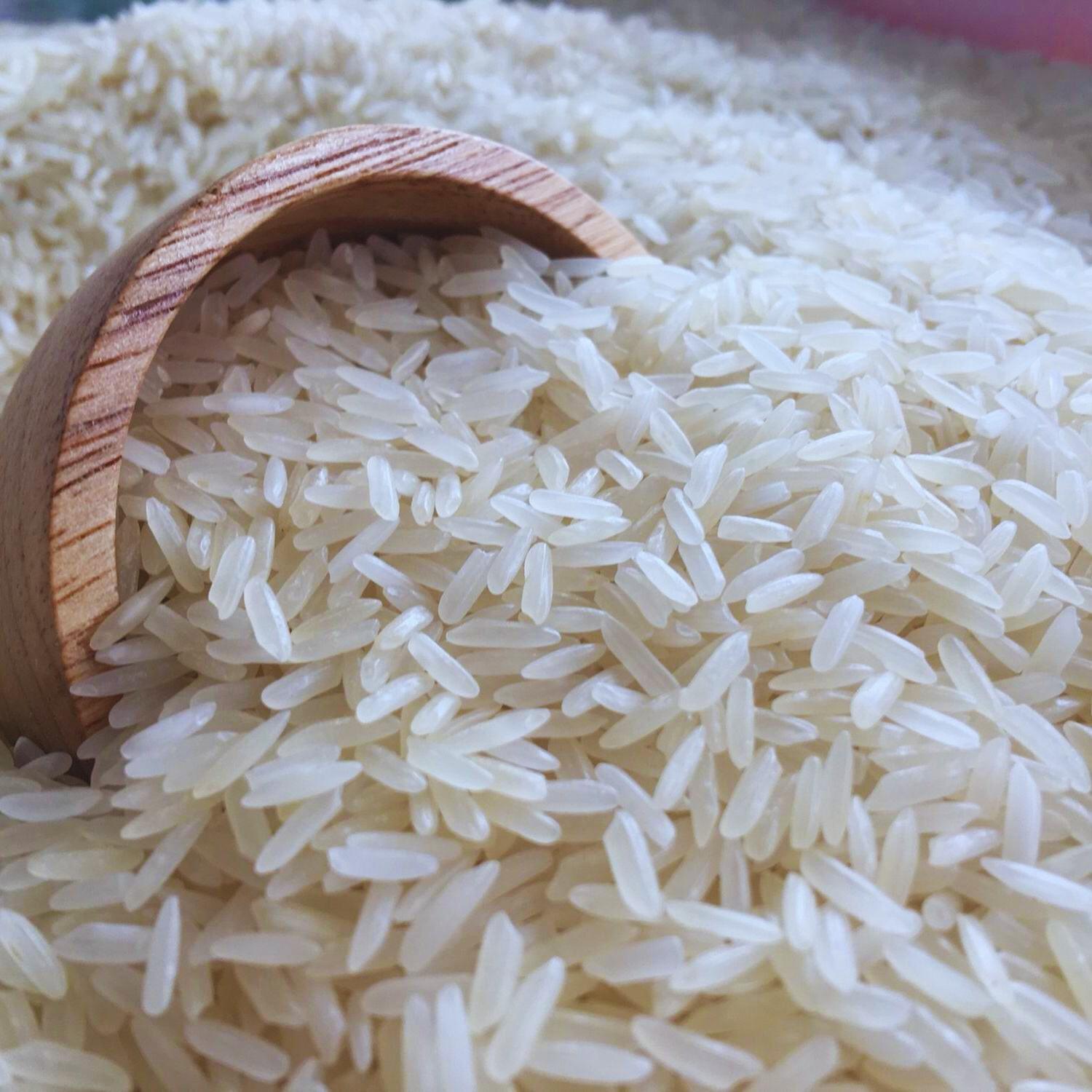


Thai Jasmine Rice is one of Thailand’s most celebrated agricultural products and a staple food enjoyed by millions of people around the world. Renowned for its naturally fragrant aroma, long slender grains, and soft texture after cooking, it has become a preferred choice for households, restaurants, hotels, and food service businesses across many countries.
Thailand has cultivated jasmine rice for generations, particularly in the northeastern and central regions, where favorable climate and soil conditions contribute to its distinctive quality. Today, Thai Jasmine Rice remains one of the country’s most valuable export products, recognized internationally for its premium standards and exceptional eating experience.
What Is Thai Jasmine Rice?
Thai Jasmine Rice is a long-grain variety of rice scientifically known as Oryza sativa. In Thailand, it is commonly referred to as Khao Hom Mali, meaning fragrant jasmine rice.
Its unique floral aroma develops naturally during cultivation and becomes even more noticeable after cooking. Unlike many other rice varieties, Thai Jasmine Rice combines a delicate fragrance with a soft, fluffy texture, making it suitable for a wide range of cuisines.
Characteristics of Thai Jasmine Rice


Thai Jasmine Rice is distinguished by several characteristics:
- Naturally fragrant aroma
- Long, slender, translucent grains
- Soft and tender texture after cooking
- Slightly glossy appearance
- Pleasant, mildly sweet flavor
- Excellent pairing with Asian and international dishes
These qualities have helped establish Thai Jasmine Rice as one of the most respected premium rice varieties in the global market.
Nutritional Value
Thai Jasmine Rice provides several essential nutrients, including:
- Complex carbohydrates
- Plant-based protein
- Small amounts of B vitamins
- Minerals such as phosphorus and magnesium
- Naturally low sodium
- Fat-free in its plain cooked form
The exact nutritional composition depends on whether the rice is white jasmine rice or brown jasmine rice, as brown rice retains more bran and dietary fiber.
Health Benefits


Excellent Source of Energy
As a carbohydrate-rich food, Thai Jasmine Rice supplies energy that supports daily activities, work, study, and exercise.
Easy to Prepare
Its cooking process is simple, making it a convenient staple for home kitchens, restaurants, and commercial food production.
Versatile for Many Recipes
Thai Jasmine Rice complements a wide variety of dishes, including curries, stir-fries, grilled meats, seafood, soups, and vegetarian meals.
Naturally Gluten-Free
Plain jasmine rice does not contain gluten, making it suitable for people who need a gluten-free diet. However, cross-contamination may occur during processing or preparation, so individuals with medical conditions such as celiac disease should verify product labeling and preparation practices.
How to Cook Thai Jasmine Rice


To achieve soft, fluffy rice:
- Measure the desired amount of rice.
- Rinse the rice gently once or twice to remove excess surface starch and dust.
- Add water at approximately 1 part rice to 1.2–1.4 parts water, adjusting slightly depending on personal preference and the specific crop.
- Cook using a rice cooker or a covered pot.
- Once cooked, allow the rice to rest for about 10 minutes before fluffing gently with a rice paddle.
Proper cooking helps preserve both the aroma and texture that make Thai Jasmine Rice unique.
Popular Dishes with Thai Jasmine Rice


Thai Jasmine Rice is commonly served with:
- Thai green curry
- Massaman curry
- Stir-fried basil chicken
- Grilled seafood
- Barbecue dishes
- Fried rice
- Roasted duck
- Beef stir-fries
- Vegetable dishes
- Soups and stews
Its mild flavor allows it to complement both traditional Thai cuisine and international recipes.
Storage Tips
To maintain freshness and aroma:
- Store rice in an airtight container.
- Keep it in a cool, dry place away from direct sunlight.
- Avoid exposure to moisture.
- Rotate older stock before opening new bags.
- Check periodically for insects if storing for extended periods.
Proper storage helps preserve both flavor and cooking quality.
Thai Jasmine Rice in the Global Market


Thai Jasmine Rice is exported to numerous countries across Asia, Europe, North America, the Middle East, and Oceania. It is highly valued by:
- Supermarkets
- Restaurants
- Hotels
- Catering companies
- Food manufacturers
- International distributors
Its reputation for consistent quality, fragrance, and taste has made it one of Thailand’s flagship agricultural exports.
Business Opportunities
Growing global demand for premium rice creates opportunities in several sectors, including:
- Rice exporting
- Premium retail packaging
- Private label (OEM) production
- Online grocery sales
- Food service supply
- Organic rice production
- Ready-to-eat rice products
- Value-added rice products
Businesses that emphasize quality control, food safety standards, attractive packaging, and reliable logistics can strengthen their competitiveness in international markets.
Conclusion
Thai Jasmine Rice is recognized worldwide for its exceptional fragrance, soft texture, and premium quality. As one of Thailand’s most iconic agricultural products, it plays a significant role in both domestic consumption and international trade.
Whether served with authentic Thai cuisine or incorporated into global recipes, Thai Jasmine Rice offers a satisfying dining experience and remains a symbol of Thailand’s excellence in rice production. Its versatility, consistent quality, and worldwide reputation continue to make it one of the most sought-after rice varieties available today.